A Warm-Season Lawn Calendar for Middle Georgia Yards
A warm-season lawn runs on its own calendar, and a northern schedule is how good grass ends up thin.
October 20, 2026 · 4 min read
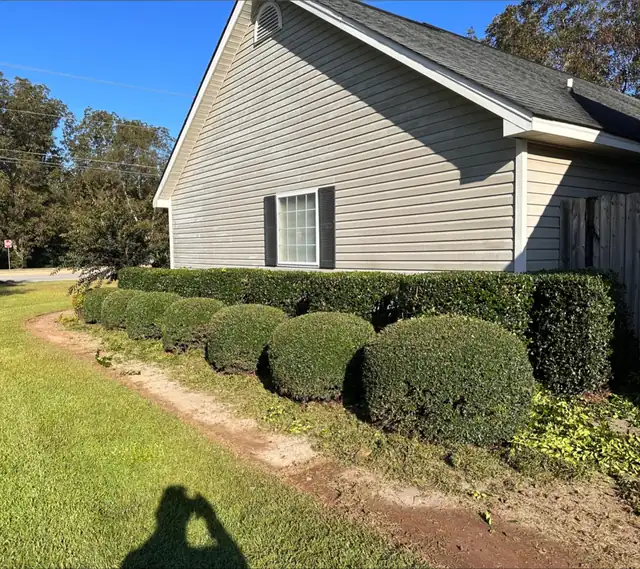
Many lawns in Warner Robins and across Houston County are warm-season grasses such as bermuda, zoysia, or centipede. They grow hard in the heat, slow down in the fall, and turn tan and dormant in winter. A brown lawn in January is not a dead lawn. It is the grass doing what it is built to do. A lot of thin, tired lawns in August trace back to a schedule borrowed from a northern yard: feeding at the wrong time, mowing at the wrong height, or watering a little every day instead of a lot every few days.
Know which grass you have
The three grasses do not behave alike. Bermuda grows fastest, takes full sun and foot traffic, and needs frequent mowing just to keep up with itself. Zoysia is slower and denser, handles some shade better than bermuda, and fills in gradually after damage. Centipede grows low and slow, and it tends to suffer when it is pushed too hard. If you are not sure which one you have, find out before you feed or mow on a schedule meant for a different grass. A calendar that keeps bermuda thriving can quietly wear out centipede.
Late winter into early spring
The lawn is still tan, and that is the point. Resist the urge to feed it just because the calendar says spring. Grass that has not woken up cannot use the food, and the weeds will. This is the time to clean up instead. Rake off the leaves and pine straw that piled up over the winter, edge the walks and beds, and take the first mow of the year a little low so sunlight reaches the new growth coming in underneath. Anything meant to stop weed seeds from sprouting has to go down before they sprout, not after, so timing matters more than the product.
Late spring through summer
Once the lawn is fully green and growing, it is hungry and thirsty at the same time. Feed it on a schedule that fits the grass you actually have, and mow on a rhythm instead of waiting until the yard looks shaggy. Raise the mowing height as the heat settles in, because a taller blade shades its own roots and holds moisture through the worst afternoons. Water deeply and less often. A long soak sends roots down into the red clay, while a quick daily sprinkle keeps them shallow and the lawn dependent on every single cycle running right.
This is also the season to keep an eye on your sprinkler system. A zone that quietly stops working can turn a healthy lawn into a stressed one in a matter of days in July heat, so run each zone by hand once in a while and watch where the water lands. The sprinkler page describes the irrigation work the crew does.
Late summer into fall
The last feeding of the year should go down while the grass is still actively growing, not after it has started to slow. Fall is also when leaves start landing on a lawn that cannot be buried under them for weeks, so keep them moving. A heavy mat of leaves blocks light and holds moisture against the grass. If the soil is heavy clay or the thatch layer has gotten thick, fall is a reasonable window to open the turf up, because the grass still has enough season left to recover before dormancy. Let the mowing height come back down gradually as growth slows.
Winter is for other work
A dormant lawn needs very little. Mowing nearly stops, the grass does not need regular watering, and the tan color across the whole yard is normal. Winter is a good stretch for jobs that are harder to do on a growing lawn: clearing brush, pressure washing the driveway and siding, and fixing low spots or bare patches with fresh topsoil or sod ahead of spring.
- Evenly tan across the whole yard in winter: normal dormancy
- Runners still firm and pale, not brittle and gray: alive and waiting for warm weather
- Green returning at the base of the runners in spring: green-up has started, and feeding can begin
- A patch that stays brown while the rest of the lawn greens up: worth a closer look for drainage, shade, pests, or a failed sprinkler zone
- Thin turf in summer along walks and driveways: often heat stress and uneven watering, not disease
When to bring in help
A.P. Lawncare does lawn service, lawn treatment, leaf removal, and top dressing for homes and commercial properties in Warner Robins and Houston County. If your lawn is not following this calendar and you cannot tell why, call (478) 334-1049. The office is open Monday through Friday, 8 AM to 5 PM, and Google reviewers mention Anthony coming out the same day to quote. A good walk around the yard, with a few questions about what grass is under your feet, usually shows what the lawn has been asking for.
A.P. Lawn Care & Pressure Washing LLC, (478) 334-1049
Call (478) 334-1049More articles
Why Your Siding Turns Green in This Humidity
The north side of the house is not cursed. It just stays wet longer than the rest.
A Sprinkler Check Worth Running Before a Georgia Summer
Most sprinkler problems hide underground or behind a controller, and a lawn shows them long before a bill does.